https://sputnikglobe.com/20211011/photo-video-six-astronauts-to-spend-four-weeks-on-fake-mars-in-israeli-desert-1089836754.html
Photo, Video: Six Astronauts to Spend Four Weeks on 'Fake Mars' in Israeli Desert
Photo, Video: Six Astronauts to Spend Four Weeks on 'Fake Mars' in Israeli Desert
Sputnik International
The programme is designed to prepare for future Mars missions. It will also help to provide scientists with information on how humans cope in confined... 11.10.2021, Sputnik International
2021-10-11T13:04+0000
2021-10-11T13:04+0000
2023-06-20T17:11+0000
israel
desert
science & tech
mars
space exploration
https://cdn1.img.sputnikglobe.com/img/102770/50/1027705016_0:257:2731:1793_1920x0_80_0_0_0f8a1c8b99a7ac36e2bd3219e88ee161.jpg
A group of astronauts - five men and one woman - are going to spend nearly four weeks in Israel's Negev Desert as if they are stationed on Mars. They will be living on a fake version of the Red Planet in order to test space suits, drones, rovers, and other equipment. The team is being hosted by the Israel Space Agency, while the Austrian Space Forum facility in Innsbruck will be managing "mission control". The participants will be placed under real-life conditions at the Earth-based Mars analogue, where they will have to wear spacesuits once they step outside. There will be a rover at their disposal if they wish to reach some place on the "Red Planet".The mission kicked off on 11 October, as participants were isolated from the outer world. The crew will be confined within the artificial space mission and will only be able to chat to "mission control" until they are released on 31 October.The crew is also expected to carry out multiple experiments, including tests on human interaction. One of the experiment's main goals is to reflect the real-world experience of future Martian astronauts as closely as possible. Scientists hope the project will help to protect first Mars travellers from the harsh environment on the Red Planet, with its solar radiation, freezing temperatures, and lack of breathable atmosphere.
israel
mars
Sputnik International
+74956456601
MIA „Rossiya Segodnya“
2021
News
en_EN
Sputnik International
+74956456601
MIA „Rossiya Segodnya“
Sputnik International
+74956456601
MIA „Rossiya Segodnya“
israel, desert, science & tech, mars, space exploration
israel, desert, science & tech, mars, space exploration
Photo, Video: Six Astronauts to Spend Four Weeks on 'Fake Mars' in Israeli Desert
13:04 GMT 11.10.2021 (Updated: 17:11 GMT 20.06.2023) The programme is designed to prepare for future Mars missions. It will also help to provide scientists with information on how humans cope in confined conditions, such as those they might face on the Red Planet.
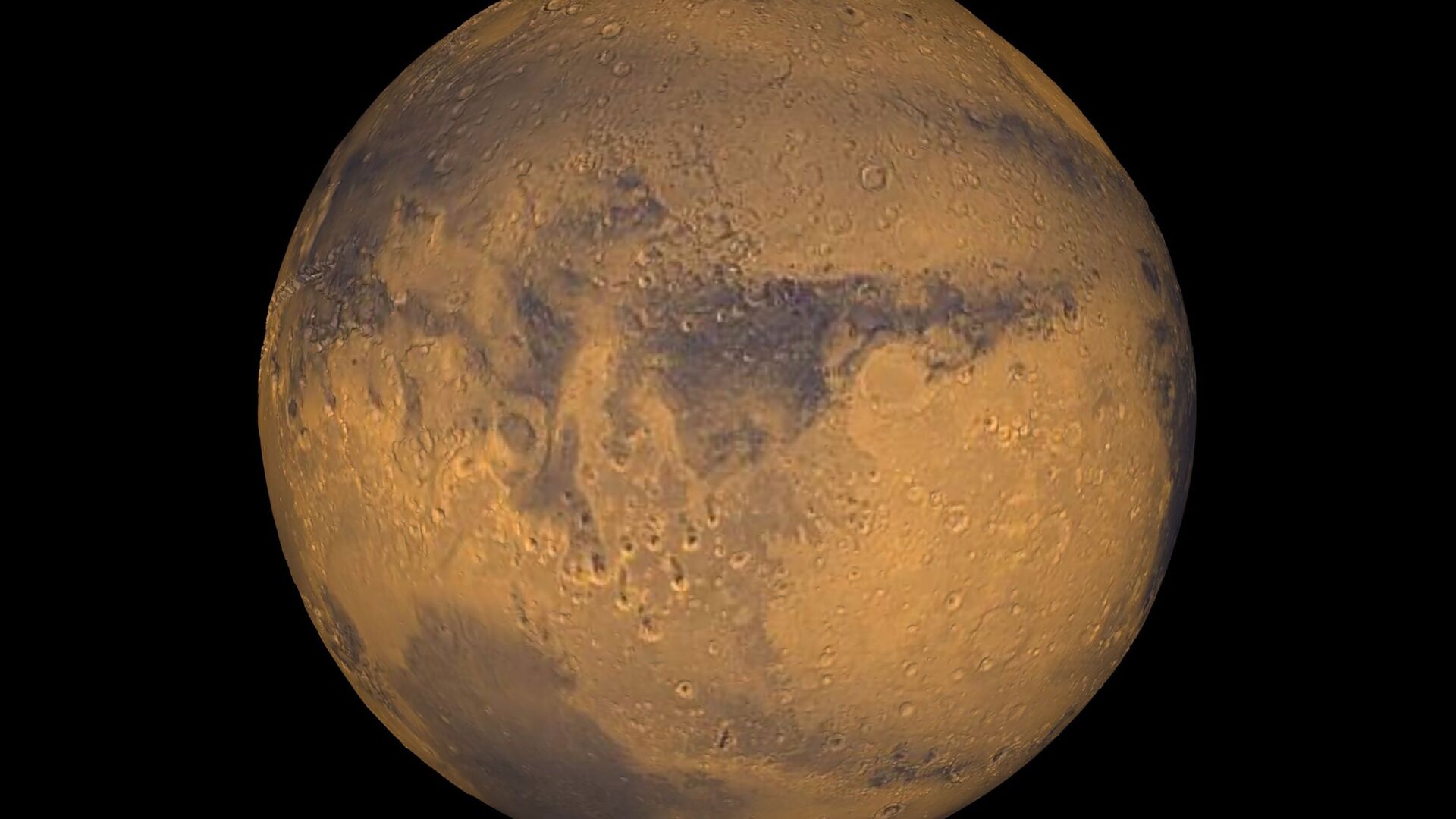
A group of astronauts - five men and one woman - are going to spend nearly four weeks in Israel's Negev Desert as if they are stationed on Mars. They will be living on a fake version of the Red Planet in order to test space suits, drones, rovers, and other equipment.
The team is being hosted by the Israel Space Agency, while the Austrian Space Forum facility in Innsbruck will be managing "mission control".
The participants will be placed under real-life conditions at the Earth-based Mars analogue, where they will have to wear spacesuits once they step outside. There will be a rover at their disposal if they wish to reach some place on the "Red Planet".
The mission kicked off on 11 October, as participants were isolated from the outer world. The crew will be confined within the artificial space mission and will only be able to chat to "mission control" until they are released on 31 October.
The crew is also expected to carry out multiple experiments, including tests on human interaction.
One of the experiment's main goals is to reflect the real-world experience of future Martian astronauts as closely as possible. Scientists hope the project will help to protect first Mars travellers from the harsh environment on the Red Planet, with its solar radiation, freezing temperatures, and lack of breathable atmosphere.